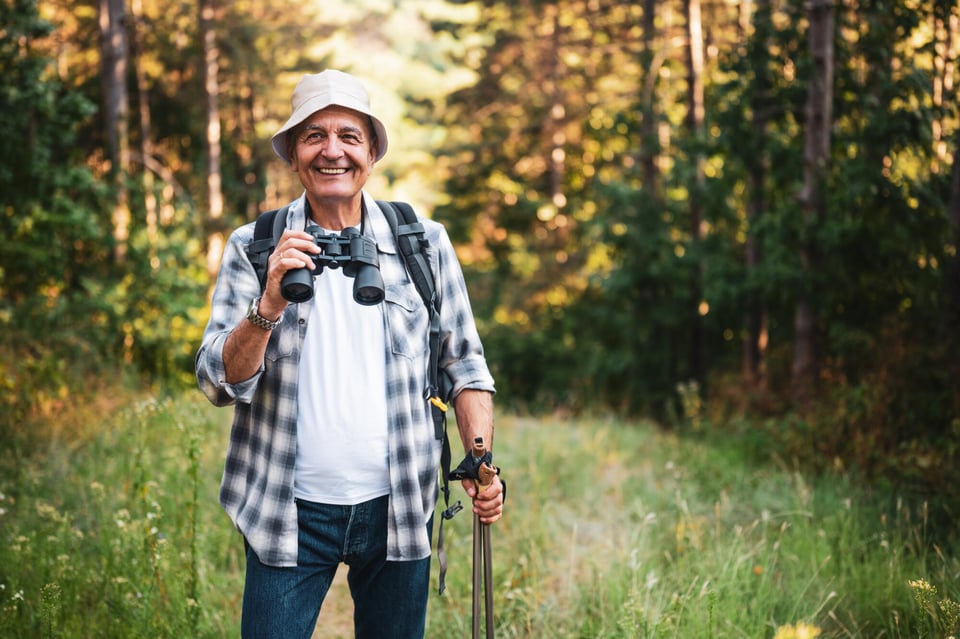
The benefits of nature walks for older adults include improved cardiovascular health, better balance, reduced stress, and stronger social connections. Even short, regular walks in green spaces can support both physical and emotional well-being.'
A 2019 study published in Scientific Reports found that spending just 120 minutes a week in nature was significantly associated with good health and well-being, and for older adults, the impact can be even more pronounced. After years of busy schedules and packed calendars, later life offers something rare: the time to actually stop and notice the world around you.
Sheboygan sits right on the Lake Michigan shoreline, putting waterfront paths, green parks, and tree-lined trails within easy reach for residents, making outdoor walks a natural and appealing part of daily life here. This article walks through the physical, mental, and social benefits that make time in nature one of the most rewarding habits an older adult can build.
Why Do Nature Walks Matter for Older Adults?
Getting outside regularly is one of the most accessible forms of senior wellness outdoors available; no gym membership, no equipment, no prior experience needed. For older adults, the later years often bring more free time, and finding meaningful ways to fill that time matters more than most people realize.
Sheboygan is actually a wonderful space for this, with its Lake Michigan waterfront, riverside parks, and tree-lined neighborhood paths offering a variety of scenic options year-round. A simple walk through Deland Park or along the Boardwalk can deliver real, measurable health benefits, and feel good doing it.
Physical Benefits of Nature Walks: Movement That Supports the Body
Regular walking strengthens the body in ways that directly support independence in later life. The cardiovascular system, in particular, tends to respond well to consistent, low-impact movement; circulation improves, and blood pressure often stabilizes over time.
Balance is another area where nature walks make a real difference. Outdoor terrain naturally engages stabilizing muscles in the ankles, hips, and core; the very muscles that reduce fall risk. Fresh air supports lung function and metabolism, and the varied pace of an outdoor walk keeps joints mobile without placing high-impact stress on them.
Spending time outdoors as a regular outdoor activity for seniors in Sheboygan can also support a healthy weight, which reduces strain on the joints and lowers the risk of conditions like type 2 diabetes.
Mental Clarity and Emotional Well-Being
The connection between fresh air mental health seniors experience and the time spent in nature is well-supported by research. Cortisol, the hormone most closely linked to stress, drops measurably after time spent in green spaces. That means a short walk can leave a person feeling calmer and clearer-headed fairly quickly.
Natural light plays a significant role here, too. Exposure to daylight helps regulate the body's internal clock, which supports deeper, more consistent sleep. For older adults who sometimes struggle with sleep quality, a morning walk can be a pretty effective, low-effort way to improve it.
How Often Should Older Adults Walk in Nature?
Consistency matters more than intensity, and even short walks deliver meaningful results. Starting with 10 to 15 minutes on a flat, well-maintained path is a reasonable approach for most older adults, with gradual increases as comfort builds.
Morning walks tend to work well; the air is cooler, the surroundings are quieter, and starting the day with movement can set a positive tone. A walking aid or comfortable, supportive footwear can make a real difference in confidence on uneven ground.
The goal is building a sustainable habit, so choosing a route that feels enjoyable is just as important as the distance covered.
The Social Side of Outdoor Walks
Walking with others turns a simple outing into a genuinely social experience. Walking groups for older adults have become increasingly popular precisely for this reason. They combine light exercise with real conversation and a sense of shared purpose.
For older adults who live alone or have smaller social circles, that connection can be incredibly meaningful.
Group walks reduce feelings of isolation in a very direct way. Laughter, shared observations, and the rhythm of moving together all contribute to emotional resilience.
At LakeHouse Sheboygan, for example, community outings and a year-round activity calendar reflect the kind of LakeHouse Sheboygan lifestyle that keeps residents socially connected and physically active without requiring anyone to go it alone.
Frequently Asked Questions
What Should Older Adults Wear on a Nature Walk?
Comfort and safety are the main priorities when getting dressed for an outdoor walk. Supportive, non-slip footwear is the most important item, followed by weather-appropriate layers that are easy to adjust mid-walk.
Other practical items to consider include:
- A light walking pole for added stability on uneven paths
- A water bottle to stay hydrated, particularly on warmer days
- Sunscreen and a hat for sun protection in open areas
- A small bag or pocket for a phone in case of emergencies
Can Older Adults Walk in Nature if They Have Limited Mobility?
Yes, the key is matching the route to current ability rather than pushing beyond it. Flat, paved paths are a good starting point, and a walking companion or group setting adds both confidence and safety.
Does the Season Affect the Benefits of Walking Outdoors?
Each season offers something different, and the benefits of nature walks carry through all of them. Spring and fall tend to offer the most comfortable temperatures for longer outings. Summer walks are often best scheduled for early morning, and winter walks on clear, dry days can be refreshing with the right clothing.
Take the First Step Toward a More Active Life
The benefits of nature walks extend far beyond the trail itself by supporting heart health and balance, lifting mood, and fostering genuine friendships that make daily life richer in later years.
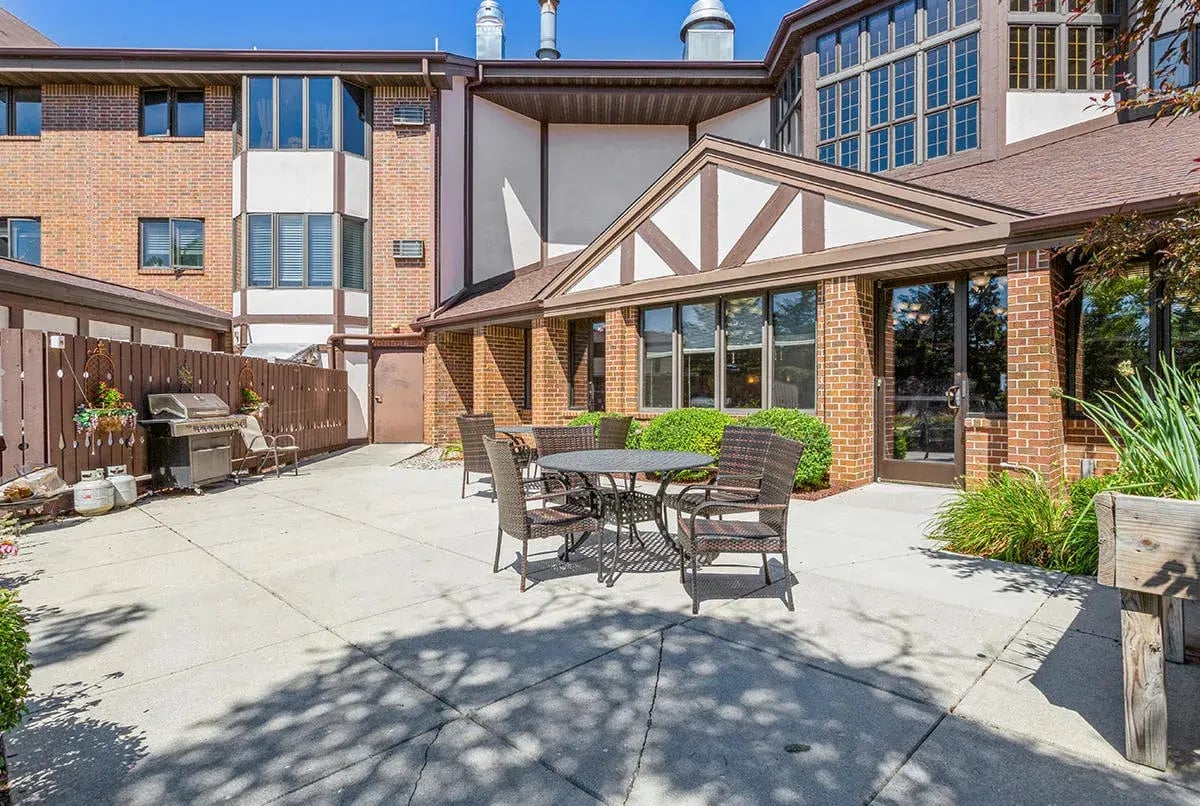
At LakeHouse Sheboygan, that outdoor lifestyle is already built into the fabric of the community. Residents enjoy beautiful outdoor spaces designed for relaxing and socializing, alongside a full calendar of activities from Qigong to community outings, that keep life engaging every day.
Ready to see it for yourself? Schedule a tour and discover what life at LakeHouse Sheboygan truly looks like.